
고정 헤더 영역
상세 컨텐츠
본문
* 해당 위젯은 쿠팡 파트너스 활동의 일환으로, 이에 따른 일정액의 수수료를 제공받습니다
반응형
코카-콜라 슬로건은 “제품의 기능성”보다 "시대의 감정(행복, 청춘, 연결, 낙관)"을 선점하면서 바뀌어왔고, 그것이 코카-콜라라는 브랜드가 세계 일류 브랜드로서 오래 살아남은 핵심입니다. 오늘은 코카-콜라의 슬로건 변천사와 광고에 대해서 정리해 보겠습니다.
Coca-Cola's slogan has evolved over time, prioritizing "the emotions of the times (happiness, youth, connection, optimism)" over "product functionality." This has been key to the brand's longevity as a world-class brand. Today, we'll explore the evolution of Coca-Cola's slogan and advertising.
🥤 시대별 주요 슬로건과 광고 특징 (Key slogans and advertising features by era)
1886년: "Drink Coca-Cola"
- 광고 특징: 초창기에는 약국에서 판매되던 '강장제' 성격을 띠었습니다. 우아한 글씨체와 함께 단순히 "마셔보라"는 메시지가 주를 이뤘습니다.
- Initially, it was marketed as a "tonic" and sold in pharmacies. Its elegant font and simple message simply urged people to "drink it."
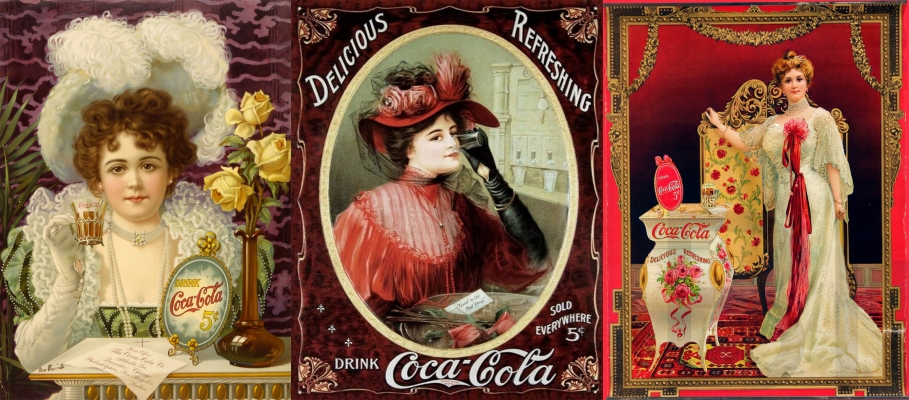
1904년 " Delicious and Refreshing"
- 광고 특징: 1904년은 코카-콜라가 광고 대행사 '다시(D'Arcy)'와 손을 잡은 첫해입니다. 1886년부터 사용된 "Drink Coca-Cola"가 브랜드의 이름을 알리는 '명령형 선언'이었다면, 1904년의 "Delicious and Refreshing(맛있고 상쾌한)"은 코카-콜라 마케팅이 '브랜드의 정체성'을 정의하기 시작한 기념비적인 슬로건입니다. 이제는 단순히 마시라는 권유를 넘어, 마셨을 때 어떤 감각적 즐거움을 느낄 수 있는지 '가치'를 설명하기 시작한 것입니다.
- 1904 marked the first year Coca-Cola partnered with the advertising agency D'Arcy. While "Drink Coca-Cola," used since 1886, was an imperative declaration that established the brand's name, 1904's "Delicious and Refreshing" was a monumental slogan that defined Coca-Cola's brand identity. Beyond simply inviting people to drink, the brand began to explain its "value"—the sensory pleasure it offered.
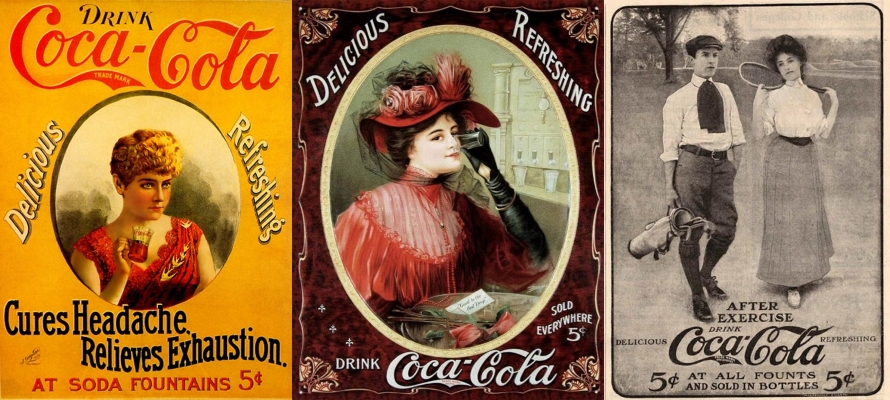
1922년: "Thirst know no season " (갈증엔 계절이 없다)
- 광고 특징: 1920년대 이전까지 콜라는 주로 여름에만 팔리는 시원한 청량음료였습니다. 겨울철 매출 급락은 기업의 가장 큰 고민거리였죠. 갈증은 날씨와 상관없다는 논리를 통해 비수기를 없애버린 마케팅의 정수를 보여주었습니다. "겨울에도 콜라를 마신다"는 인식을 심어주기 위해, 코카-콜라는 겨울을 상징하는 아이콘들을 광고에 적극적으로 활용하기 시작했습니다. 산타클로스 캐릭터가 처음 등장한 시기이기도 합니다.
- Until the 1920s, Coca-Cola was primarily a refreshing soft drink sold only in the summer. The sharp decline in winter sales was a major concern for the company. Coca-Cola demonstrated the essence of marketing by eliminating the off-season by arguing that thirst is unrelated to the weather. To foster the perception that "you can drink Coke even in winter," Coca-Cola began actively using winter icons in its advertising. This was also the time when the Santa Claus character first appeared.
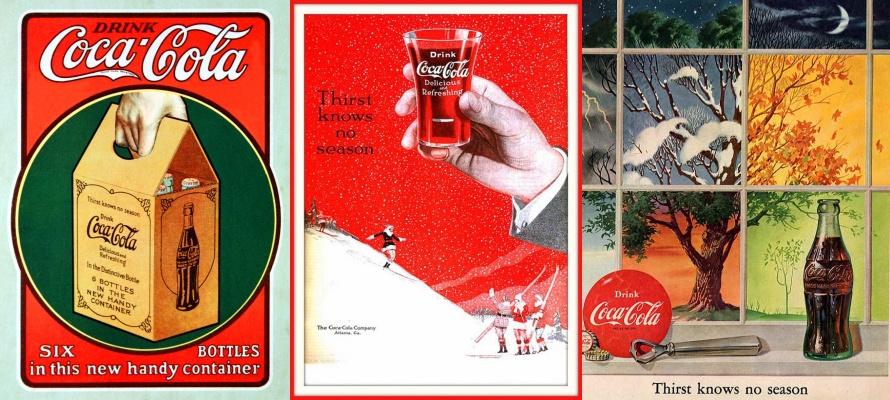
1929년: "The Pause That Refreshes" (상쾌한 휴식)
- 광고 특징: 1929년은 미국 경제 대공황이 시작된 해입니다. 모두가 절망에 빠져 있을 때, 코카-콜라는 "힘들어도 잠시 쉬어가자"는 메시지를 던졌습니다. 단돈 5센트로 누릴 수 있는 '가장 저렴하지만 완벽한 휴식'이라는 이미지를 심어주어, 코카-콜라라는 브랜드에 '정서적 가치'와 '철학'을 불어넣은 코카-콜라 역사상 가장 성공적이고 영향력 있는 슬로건으로 평가받습니다. 산타클로스 캐릭터가 본격적으로 등장하기 시작한 시기이기도 합니다.
- 1929 marked the start of the Great Depression in the United States. At a time of despair, Coca-Cola delivered the message, "Even if things are tough, let's take a break." This slogan, which instilled the image of "the cheapest but most perfect rest" available for just 5 cents, infused the Coca-Cola brand with "emotional value" and "philosophy," is considered one of the most successful and influential slogans in Coca-Cola history. It also marked the beginning of the full-fledged emergence of the Santa Claus character.

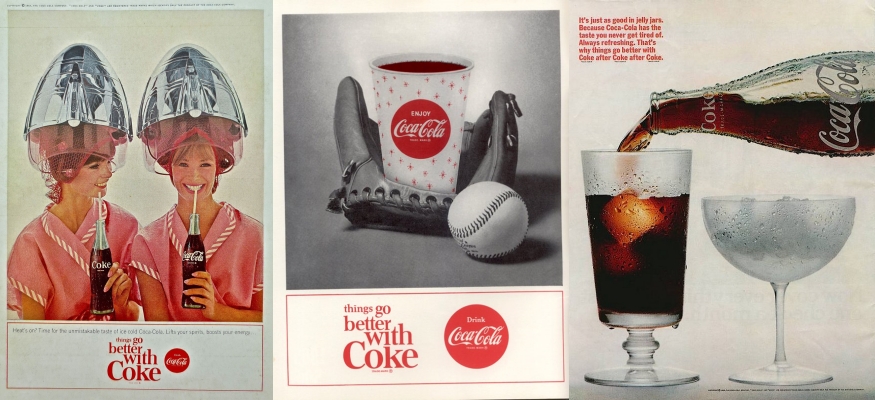
1963년: "Things Go Better with Coke" (코카-콜라와 함께라면 문제없어요)
- 광고 특징: 이전까지의 광고가 "콜라가 맛있다(맛의 강조)"에 집중했다면, 1963년부터는 "콜라가 있는 상황"을 강조하기 시작했습니다. 어떤 상황에서도 어울리는 음료로 포지셔닝을 확장하였습니다. 또한, '현대적 광고의 시발점'으로 불리는 매우 중요한 전환점 입니다. 당시 최고의 작곡가들이 참여한 경쾌하고 중독성 있는 멜로디는 라디오를 통해 전 세계로 퍼져 나가며, 단순히 읽는 슬로건이 아니라 '듣는 슬로건'으로 성공했습니다.
- While previous advertising had focused on "Cola is delicious (emphasizing the taste)," from 1963 onward, the brand began emphasizing "the situations in which Cola is available." This positioning expanded the brand's appeal to a beverage suitable for any situation. Furthermore, this was a crucial turning point, often referred to as the "beginning of modern advertising." The upbeat and addictive melody, featuring the best composers of the time, spread worldwide via radio, becoming a successful "listening slogan," not just a slogan to be read.
1971년: "It's the Real Thing" (이것이 진짜)
- 광고 특징: 코카-콜라 역사상 가장 대담하고 철학적인 광고 중 하나입니다. 당시 미국 사회의 혼란스러운 분위기를 브랜드의 '진정성'으로 승화시킨 걸작입니다. 이 슬로건 하면 가장 먼저 떠오르는 것이 바로 전설적인 'Hilltop' TV 광고입니다. 베트남 전쟁과 사회적 갈등으로 지쳐있던 사람들에게 코카-콜라를 통해 '인류애'와 '세계 평화'라는 거대한 가치를 전달하며 엄청난 사회적 울림을 주었습니다. 또한, 1960년대 경쟁사 펩시가 "신세대(Pepsi Generation)"를 앞세워 공격적인 마케팅을 펼치자, 코카-콜라는 "우리가 진짜(Real Thing)"라는 정통성 카드를 꺼내 든 것입니다.
- This is one of the most daring and philosophical advertisements in Coca-Cola history. It is a masterpiece that sublimated the chaotic atmosphere of American society at the time into the brand's "authenticity." When thinking of this slogan, the first thing that comes to mind is the legendary "Hilltop" TV commercial. It resonated deeply with people exhausted by the Vietnam War and social conflict, conveying the profound values of "humanity" and "world peace" through Coca-Cola. Furthermore, when its competitor Pepsi aggressively marketed itself to the "Pepsi Generation" in the 1960s, Coca-Cola played the "Real Thing" card of authenticity.
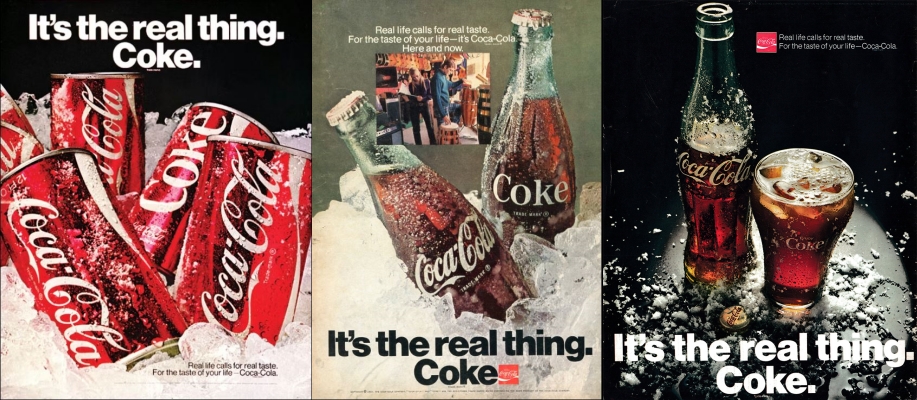
1982년: "Coke Is It! " (코카-콜라가 정답)
- 광고 특징: 이전의 감성적이고 철학적인 광고들과는 결을 달리하는, 매우 직설적이고 공격적인 캠페인이었습니다. 1980년대 초반, '콜라 전쟁(Cola Wars)'이 정점에 달했던 시기로, 펩시가 '펩시 챌린지'를 통해 코카-콜라를 맹추격하자 "결국 정답은 코카-콜라다"라는 강력한 확신(Assertiveness)의 메시지를 던지며 1등 브랜드의 위엄을 과시했습니다. 이 슬로건이 사용되던 1982년, 코카-콜라 역사상 가장 성공적인 신제품 중 하나인 '다이어트 코크(Diet Coke)'가 출시되었습니다.
- It was a very direct and aggressive campaign, different from the emotional and philosophical advertisements of the past. In the early 1980s, when the "Cola Wars" were at their peak, and Pepsi was fiercely pursuing Coca-Cola through the "Pepsi Challenge," it showed off its power as the number one brand by sending a strong message of assertiveness that "In the end, the answer is Coca-Cola." In 1982, while this slogan was in use, "Diet Coke," one of the most successful new products in Coca-Cola's history, was launched.
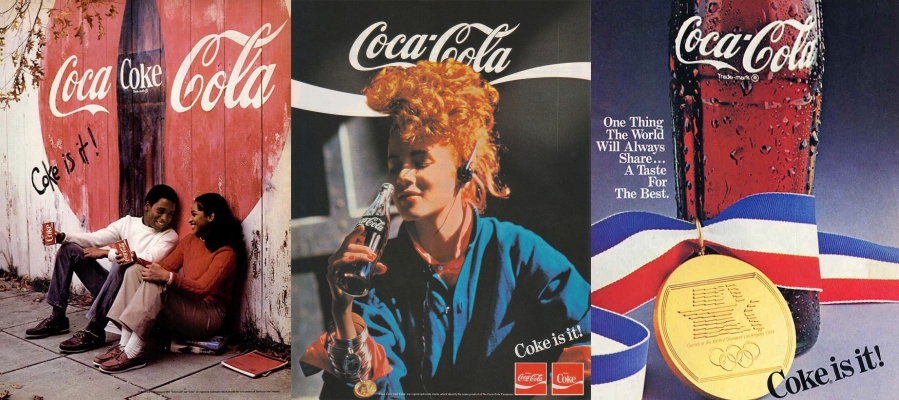
1989년: "Can’t Beat the Feeling! " ( 이 느낌 못 이긴다 )
- 광고 특징: 코카-콜라 마케팅이 '감각적 자극'의 정점에 도달했음을 보여주는 캠페인입니다. 캔을 딸 때의 '치익' 소리, 병 표면에 맺힌 차가운 이슬, 얼음잔에 부어질 때의 탄산 기포 등을 극도로 클로즈업하며, 시각과 청각을 자극해 "이 느낌(The Feeling)"을 화면 너머로 전이시켰습니다.
- This campaign demonstrates that Coca-Cola marketing has reached the pinnacle of "sensory stimulation." It uses extreme close-ups of the "sizzle" sound of a can being opened, the cold dew on the bottle's surface, and the bubbles of carbonation as it pours into an iced glass, stimulating both sight and sound, translating "the feeling" beyond the screen.
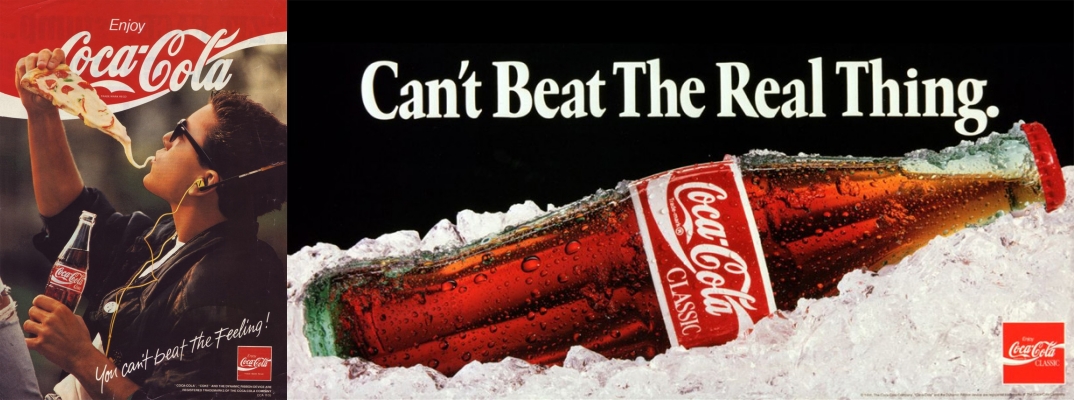
1993년: "Always Coca-Cola" (언제나 코카-콜라)
- 광고 특징: 코카-콜라 역사상 가장 상징적이고 대중적인 캠페인으로 꼽힙니다. 그래픽 기술을 활용해 밤하늘의 오로라를 보며 코카-콜라를 마시는 북극곰 애니메이션이 처음 등장했습니다. 인간이 아닌 동물을 통해 브랜드의 '순수함'과 '상쾌함'을 극대화했습니다. 이 북극곰은 지금까지도 매년 겨울마다 소환되는 코카-콜라의 가장 강력한 자산이 되었습니다. "Always Coca-Cola~"로 끝나는 경쾌하고 짧은 멜로디는 언어를 초월해 전 세계인의 뇌리에 각인되었습니다.
- This campaign is considered one of the most iconic and popular in Coca-Cola history. It was the first to feature a polar bear animation, using graphic technology to drink Coca-Cola while viewing the Northern Lights in the night sky. The brand's "purity" and "refreshing" qualities were maximized through the use of non-human animals. This polar bear has become Coca-Cola's most powerful asset, still recalled every winter. The upbeat, short melody, ending with "Always Coca-Cola~," transcended language and became engraved in the minds of people around the world.
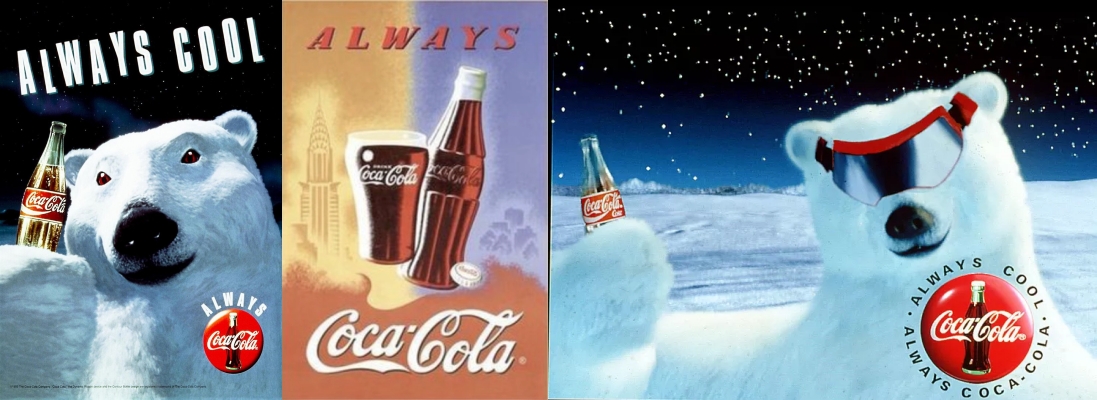
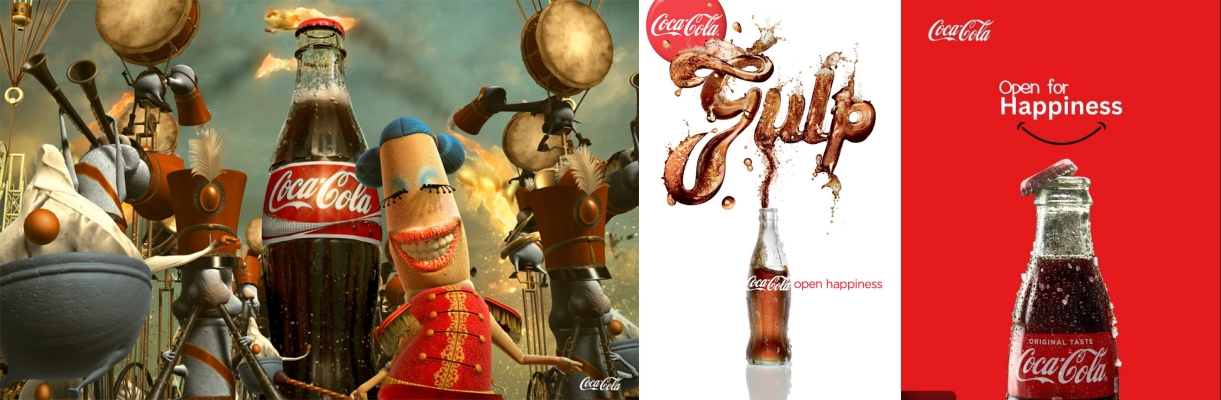
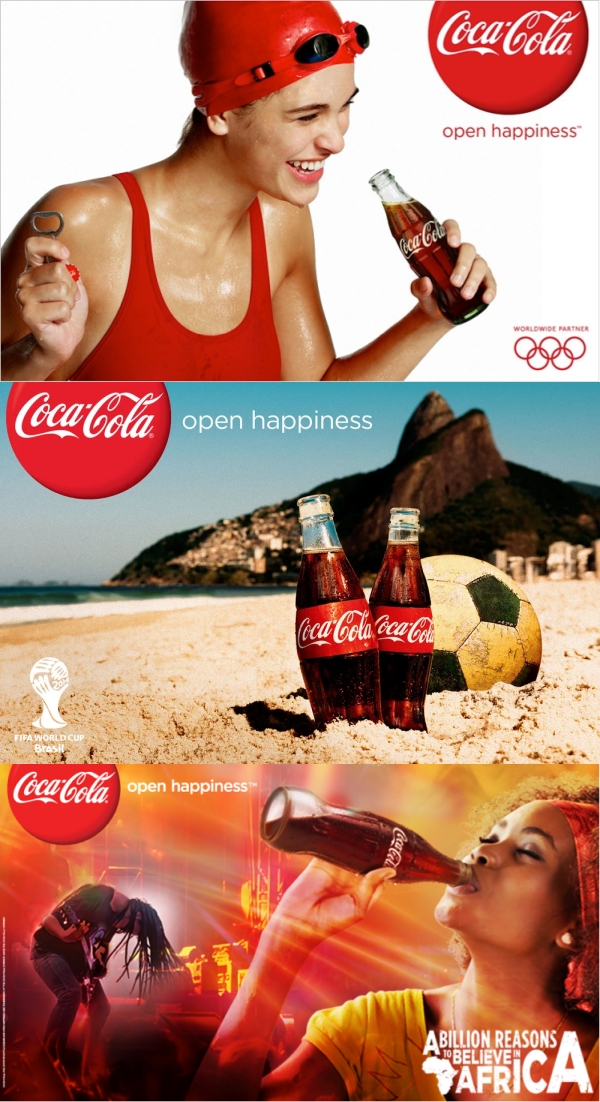
2009년: "Open Happiness" (행복을 여세요)
- 광고 특징: 이전 캠페인들이 콜라의 '맛'이나 '상쾌함' 같은 물리적 특성에 집중했다면, 2009년부터는 '행복'이라는 감정 그 자체를 브랜드와 동일시했습니다. "코카-콜라를 따는 행위는 곧 행복을 여는 것"이라는 공식을 만들었습니다. 콜라 병을 딸 때 나는 '치익' 소리를 행복의 시작점으로 정의한 것이죠. 유튜브 시대에 맞춰 바이럴 마케팅(Viral Marketing)의 정석을 보여주었습니다. 자판기에서 콜라뿐만 아니라 꽃다발, 피자, 긴 샌드위치가 끊임없이 나와 대학생들에게 기쁨을 주는 영상은 전 세계적으로 수억 뷰를 기록했습니다.
- While previous campaigns focused on the physical characteristics of cola, such as its "taste" or "refreshing feel," from 2009 onward, the brand identified the emotion of "happiness" itself. They created the formula, "Opening a Coca-Cola is like opening happiness." They defined the "sizzling" sound of a cola bottle as the starting point of happiness. This demonstrated the essence of viral marketing in the YouTube era. A video of a vending machine constantly dispensing not only cola but also bouquets of flowers, pizza, and long sandwiches, bringing joy to college students, garnered hundreds of millions of views worldwide.
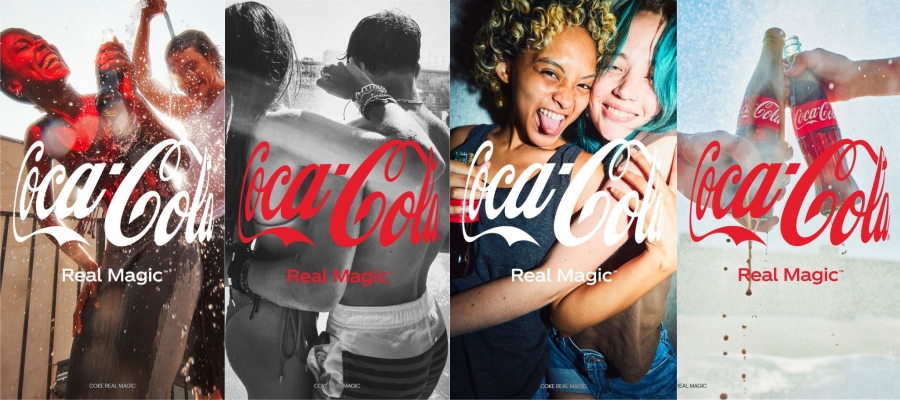
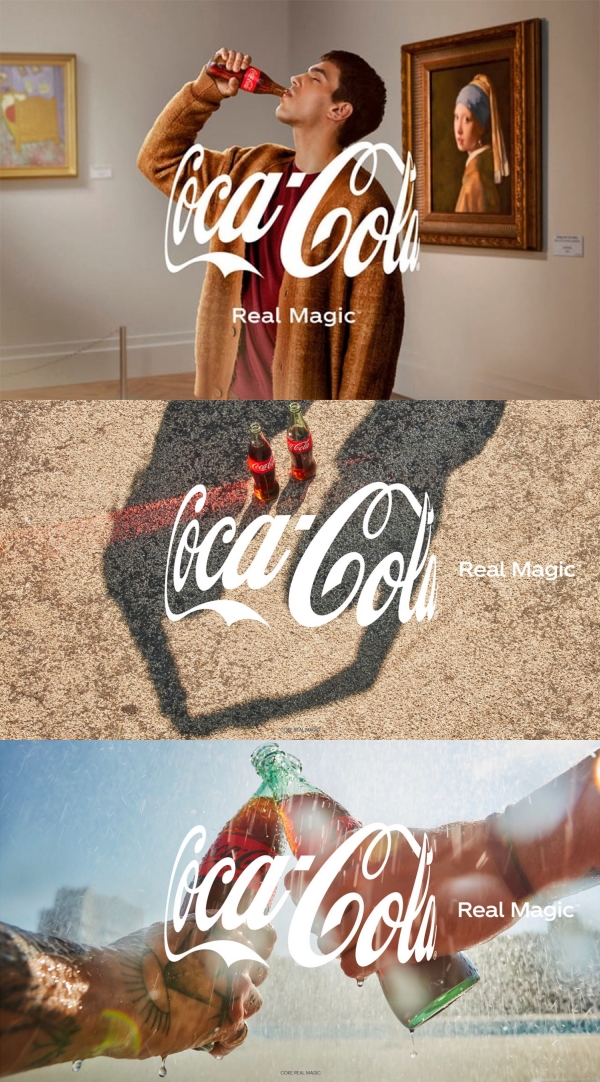
2021년~현재: "Real Magic" (리얼 매직)
- 광고 특징: 사람과 사람이 만나고 소통하는 평범한 일상 속에 진짜 마법이 있다는 철학을 담았습니다. 혼자 마시는 콜라보다 '함께 공유하는 순간'의 가치를 강조하며, 단절되었던 시대를 지나 다시 연결되기를 바라는 시대정신을 반영했습니다. 수십 년간 평면적이었던 코카-콜라 로고에 변화를 주었습니다. 로고 양끝이 살짝 안으로 굽은 '허그 로고'는 코카-콜라 병의 곡선을 형상화함과 동시에 '따뜻한 포옹'을 상징합니다.
- It embodies the philosophy that true magic lies in the ordinary, everyday moments of human connection and communication. It emphasizes the value of "shared moments" over drinking a Coke alone, reflecting the zeitgeist of a desire for reconnection after a time of disconnection. It also revamped the Coca-Cola logo, which had been flat for decades. The "hug logo," with its slightly inward-curved ends, symbolizes the curves of the Coca-Cola bottle while also symbolizing a "warm embrace."
반응형
'Coca-Cola Story' 카테고리의 다른 글
| Santa Claus in a Coca-Cola Ad (0) | 2020.10.03 |
|---|
* 해당 위젯은 쿠팡 파트너스 활동의 일환으로, 이에 따른 일정액의 수수료를 제공받습니다


댓글 영역